
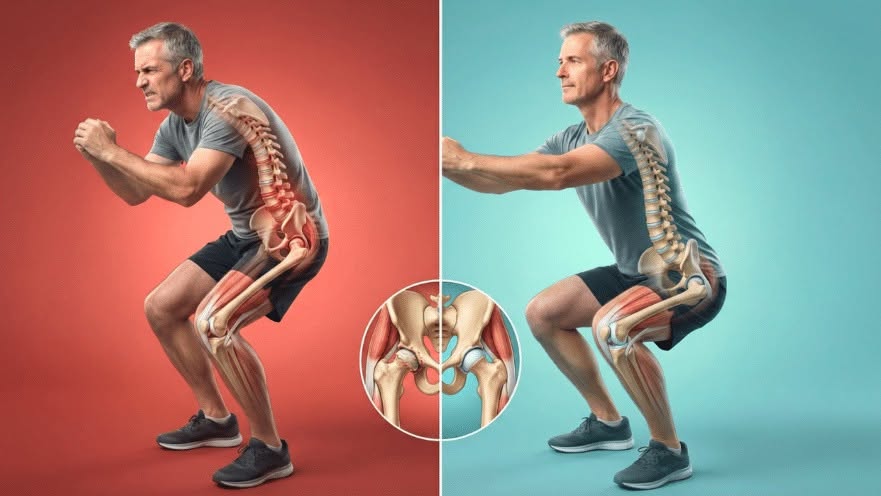
Ever wondered if those squat challenges all over social media are actually worth the hype? Maybe you’ve seen before-and-after photos claiming life-changing results, or maybe you’ve scrolled past yet another fitness influencer sinking into a deep squat and thought, “There’s no way it’s that simple.” After trying a daily squat routine for 30 days myself, the results surprised me—and they could surprise you, too. (Based on the insights of Will Harlow, over-50s physio specialist) Fitness
In this post, I’ll break down everything I discovered, show you the exact protocol I used (that took just 5 minutes per day!), and give you actionable tips to get started—even if you can’t squat at all right now. Get ready to learn what really happens to your body during a month of squats!
TAKING A STATIN OR BLOOD PRESSURE MEDICATION?
Your numbers look better. So why do you still feel tired, foggy, or off?
Key Takeaways
Daily squatting, even for just five minutes, can dramatically improve mobility and reduce certain types of pain.
Consistency, not perfection, is what leads to noticeable results.
Anyone can start building squat mobility, regardless of their current ability or age.
Simple tweaks and props (like towels and chairs) make squat challenges accessible for almost everyone.
Tracking progress with reference points boosts motivation and highlights real improvement.
1. Improved Hip and Back Mobility (and a Pleasant Surprise for Desk Workers!)
Let’s start with the biggest benefit I noticed: an unexpected leap in hip and back flexibility. For years, I struggled with a stiff right hip and chronic mid-back pain—especially after hours at my desk. Within the first week of daily squatting, I experienced some initial soreness. By the end of 30 days, my hip pain was almost gone, and my mid-back felt less tight even after long work sessions. The secret? Sitting in a deep squat naturally encourages the extension of your thoracic spine—the exact opposite of the slouched position so many of us slip into at our computers. Anatomy
2. A Simple Five-Minute Routine Yields Real Results
You don’t need to dedicate hours in the gym to see results. My simple protocol was to sink into the deepest squat I could manage each day—sometimes splitting the five minutes into smaller chunks as needed. Some days were easier than others, and that’s completely normal! Even if I felt stiff, I made adjustments—like placing my heels on a thick towel to help get deeper with less discomfort. The take-home message? Five minutes, done consistently, can transform your body.
3. Strength Gains Show Up Unexpectedly
While my main goal was improving mobility, I was pleasantly surprised by the strength boost. Returning to the gym after my challenge, I noticed I could handle more weight with squats and leg presses. Why? Because deeper, pain-free squats build not just flexibility but also functional strength in your legs, hips, and core.
4. Not Every Problem Gets Fixed—And That’s Okay
Despite all the positives, my chronically stiff left ankle (from an old sports injury) didn’t budge. And that’s a real-world reminder: some issues take time, and progress may have limits. But don’t let one stubborn joint overshadow the wins in other areas. Patience is key!
5. Starting Out? Test Your Current Squat Comfortably
If you’re new to squats or have a history of pain, start slow. First, stand with feet wide, then squat as far as is comfortable. Use visual markers in the room to set progress points. Maybe you only get a third of the way down—that’s totally fine. Progress is about improvement, not perfection.
6. Chairs and Towels Are Your Best Friends for Progression
Can’t get down into a full squat? Don’t sweat it! Try holding onto a chair as you slowly sink into the squat position. This simple adjustment boosts confidence and removes fear of falling. When you’re ready, move the chair behind you and use stacked towels on the seat so you just barely tap your bottom, then stand back up. As you build strength and flexibility, gradually remove the towels to increase your squat depth. Fitness
ADVERTISEMENT
7. Heels Up: The Magic Towel Under Your Feet
For those whose ankles or hips limit depth, put a rolled towel under your heels. This slight elevation can help you get lower in your squat without strain. Practice holding the deep squat for 20 seconds at a time, resting between attempts, for three rounds. As you progress, try without the towel and work on holding the position longer.
8. Gentle Side-to-Side Rocking Mobilizes Ankles and Hips
Once you’re comfortable with deeper squats, use your elbows to press your knees apart and gently rock from side to side. This active movement helps loosen both hips and ankles even further—plus, it feels good!
9. Gradually Increase Hold Time and Reduce Supports
Over the weeks, add more hold time to your squats and peel back the props. Aim to eventually get into a hands-free, unsupported squat, with elbows resting inside your knees and a gentle side-to-side rock. Work your way up to three one-minute holds, and finally, strive for the five-minute goal.
10. Listen To Your Body—And Skip Days if Needed
Some days, squatting might not feel right. Whether you’re stiff, sore, or simply not up for it, listen to your body. If you face persistent pain (not just the usual stretch discomfort), check with a healthcare professional before continuing.
Conclusion: Ready to Start Your 30-Day Squat Journey?
Thirty days, five minutes a day, an open mind, and a willingness to make adjustments—those were all it took to create noticeable improvement in my mobility and strength. You don’t need to be an athlete or even flexible right now to benefit. Start where you are, use props as needed, and track your progress. By the end of 30 days, you might just find yourself moving, sitting, and standing with newfound ease.
Give the squat challenge a try, and let me know how it works for you! If you need help breaking things down further, there are plenty of resources and follow-along videos to guide you no matter your starting point. Here’s to stronger, more mobile you—one squat at a time! Fitness
Source: Will Harlow, physiotherapist
DailyHealthPost Editorial
We bring you actionable home made remedies, health tips and healthy recipes on a daily basis. Whether you want to improve your health, slow down the aging process or simply want to feel energetic again, we have you covered.

Have you ever noticed foamy urine and wondered if it could be a sign of sugar or protein? You’re not alone—many people with diabetes notice this and worry about what it means. Here’s the truth: seeing foam in your urine can be an important early clue that you need to pay attention to your kidney health. (Based on the insights of Dr. Antonio Cota)
Key Takeaways
- Foamy urine can signal protein loss—an early warning for kidney problems.
- Early detection is key—many kidney issues can be reversed if caught soon enough.
- Diabetes is the leading cause of kidney disease, but other causes exist.
- Not all foamy urine means kidney trouble, but testing is vital.
- Address the root metabolic problem—not just the number on your blood sugar meter.
Let’s walk through the most important things you need to know about protein in your urine—why it happens, what it means, and what you can do about it.
BiologicalSciences
1. Why Is There Protein in Your Urine (and What Is Foamy Urine)?
When you see foam or bubbles in your urine, it might be because your body is losing protein—a condition called proteinuria. While sometimes urine can foam up simply because you urinated forcefully, persistent foam often signals something deeper. Your kidneys’ job is to filter out waste while keeping useful things—like protein—inside your body. When your kidneys start to leak protein, it’s a sign the filters are getting damaged.
TAKING A STATIN OR BLOOD PRESSURE MEDICATION?
Your numbers look better. So why do you still feel tired, foggy, or off?
2. Diabetes Is the Top Reason for Kidney Damage
Most people with chronic kidney problems got there because of diabetes—particularly type 2 diabetes that isn’t well controlled. High blood sugar silently harms the filtering units in your kidneys, called glomeruli, causing them to leak protein into the urine. Over time, this can lead to diabetic nephropathy—a progressive, serious kidney disease.
HealthConditions
3. Foamy Urine Isn’t Always From Protein—Testing Is Essential
You can’t reliably tell just by looking at your pee if you’re losing protein, glucose, or something else. Many medications for diabetes even cause urine to contain sugar on purpose. That’s why it’s vital to get your urine checked. A 24-hour urine protein test gives the best picture. Simply collecting all your urine for a day in a clean container and having it analyzed can reveal if you’re losing more protein than you should.
4. Recognizing Other Warning Signs—Don’t Wait for Symptoms
Foamy urine is one possible hint, but kidney damage often shows up in other ways, too—like swelling of your ankles, feet, hands, or puffy eyelids. If you see any of these, don’t brush them off. Get both urine and blood tests to check your kidney health. Early detection gives you a much higher chance to reverse or halt damage.
5. Not All Protein in Urine Is From Diabetes
It’s easy—and common—to blame diabetes for every health issue, but there are many possible reasons you could have protein in your urine. High blood pressure, chronic inflammation, autoimmune problems (like lupus), or even high stress and hormone imbalances (cortisol, for instance) can also be to blame. That’s why it’s critical not to guess—get properly screened, and make sure your healthcare provider is ruling out other causes.
6. What Do the Numbers Mean?
Doctors use certain thresholds to know how serious your protein loss is:
- Up to 30 mg of protein in a 24-hour collection is considered normal.
- Between 30 mg and 3,500 mg is abnormal but potentially reversible.
- More than 3.5 grams (3,500 mg) is called nephrotic-range proteinuria and usually signals significant kidney damage—this rarely resolves and needs specialized treatment.
7. Medications Aren’t the Enemy—But They Aren’t the Whole Solution
Some diabetes medications are designed to help your body get rid of extra sugar through your urine. This might make urine test results and foamy pee more confusing. Remember, the medicine isn’t your enemy. The real problem is the metabolic imbalance causing your kidneys to leak protein. Restoring metabolic balance—through the right lifestyle, diet, and sometimes medications—gets to the root of the issue.
8. The Real Goal: Reverse Metabolic Problems, Not Just Lower Blood Sugar
Here’s the kicker: Simply lowering your blood sugar isn’t the same as truly reversing diabetes or healing your kidneys. Surface-level fixes can temporarily drop your glucose—they don’t always fix the underlying metabolism or prevent kidney damage. Committing to a healthy lifestyle—a better diet, more movement, managing stress—along with the right medical care, can genuinely reverse diabetes for many people and restore kidney health.
9. Other Rare but Serious Kidney Issues
Some people can have rapidly progressive kidney problems, like certain forms of glomerulonephritis, where kidney function declines within months. While rare, these illnesses show how important it is not to wait or self-diagnose. If kidneys fail quickly, options become limited.
10. Take Action Early—And Don’t Assume!
If you already have protein in your urine, don’t delay. Ask your doctor for thorough testing to determine what’s causing it. Don’t automatically assume diabetes is to blame. Ruling out other causes can change your treatment course and outcomes for the better.
Conclusion
Noticing protein in your urine is a warning—don’t ignore it! Testing and early-action are your best tools. Addressing your overall metabolic health, not just chasing lower sugar readings, can often turn things around. Take the wheel on your health—get informed, get tested, and take steps now to protect your kidneys for life
DailyHealthPost Editorial
We bring you actionable home made remedies, health tips and healthy recipes on a daily basis. Whether you want to improve your health, slow down the aging process or simply want to feel energetic again, we have you covered.
