
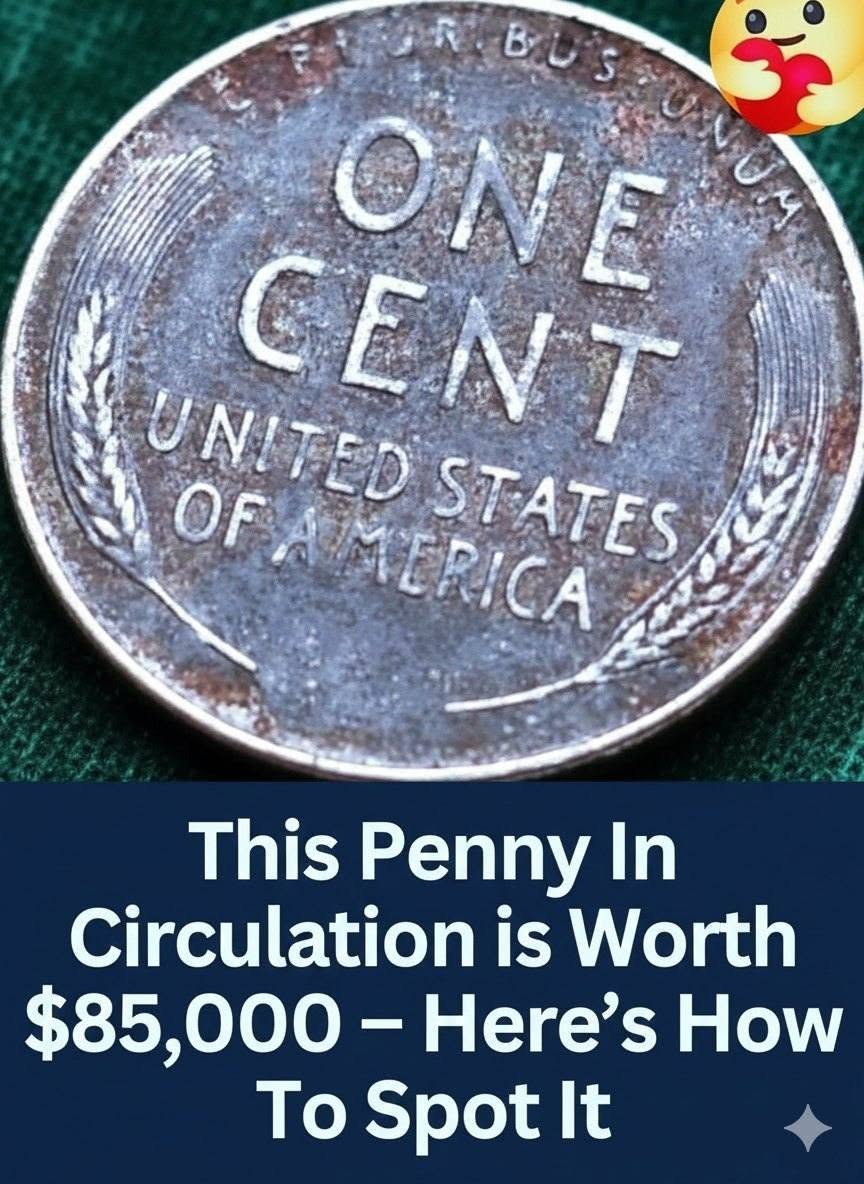
For many people, pennies are little more than spare change that collects in jars, pockets, or car cup holders. However, some seemingly ordinary coins have become highly sought after by collectors, with certain rare pennies selling for thousands—or even tens of thousands—of dollars. While most one-cent coins are worth only their face value, a handful of rare dates, minting errors, and unique varieties have transformed everyday pennies into valuable collectibles.
If you’ve ever wondered whether the loose change in your home could contain a hidden treasure, understanding what makes a penny valuable is the first step.
Why Some Pennies Are Worth So Much
The value of a collectible penny depends on several important factors. Coin collectors and professional appraisers evaluate rarity, condition, historical significance, mint location, and manufacturing errors when determining a coin’s market value.
A penny that was produced in limited numbers or contains a rare minting mistake may attract significant interest from collectors. Likewise, coins that have remained in excellent condition for decades often command much higher prices than heavily circulated examples.
Even small differences in a coin’s design can dramatically increase its value.
Rare Pennies That Collectors Often Seek
Several U.S. pennies have earned legendary status among numismatists due to their rarity and historical importance.
Some of the most well-known examples include:
- 1909-S VDB Lincoln Cent – One of the most famous key-date Lincoln cents.
- 1914-D Lincoln Cent – Highly desirable because of its limited production.
- 1922 “No D” Lincoln Cent – A rare mint error that remains popular with collectors.
- 1943 Bronze Lincoln Cent – Produced accidentally during World War II when most pennies were made from steel.
- 1955 Doubled Die Lincoln Cent – Famous for its dramatic doubled lettering visible without magnification.
Depending on authenticity and condition, these coins have sold for hundreds, thousands, or even hundreds of thousands of dollars.
Mint Errors Can Increase Value
One of the biggest reasons an ordinary-looking penny becomes valuable is a minting error. During the manufacturing process, mistakes occasionally occur, creating unique coins that collectors actively seek.
Examples include:
- Double die errors
- Off-center strikes
- Missing mint marks
- Wrong metal planchets
- Die cracks
- Repunched mint marks
Because these errors are relatively uncommon, collectors are often willing to pay substantial premiums for genuine examples.
How to Check Your Pennies
If you have old coins stored at home, it’s worth taking a closer look before spending them.
Start by checking:
- The year
- Mint mark (D, S, or no mark)
- Overall condition
- Unusual lettering or design features
- Signs of minting errors
Using a magnifying glass can make it easier to spot small details that distinguish common pennies from collectible varieties.
Avoid cleaning old coins. Cleaning can damage the original surface and significantly reduce collector value.
Should You Have a Coin Professionally Appraised?
If you believe you’ve found a potentially valuable penny, consider having it examined by a reputable coin dealer or professional grading service. Experts can verify authenticity, identify rare varieties, and provide an estimate of current market value.
Professional grading also gives buyers greater confidence if you decide to sell your coin through an auction or private collector.
Where Valuable Pennies Are Often Found
Surprisingly, collectible pennies continue to appear in unexpected places. Many have been discovered in:
- Old coin jars
- Estate collections
- Inherited coin albums
- Bank coin rolls
- Garage sales
- Flea markets
- Everyday pocket change
Although finding a rare penny is uncommon, collectors regularly search through large quantities of coins because valuable discoveries still occur.
Final Thoughts
While headlines claiming that every old penny is worth thousands are often exaggerated, some rare Lincoln cents genuinely command impressive prices in today’s collector market. Their value comes from rarity, historical significance, minting errors, and excellent preservation rather than age alone.
Before dismissing the pennies sitting in your home, take a few moments to examine them carefully. A simple one-cent coin could turn out to be a fascinating piece of American history—and in rare cases, a surprisingly valuable collectible worth far more than its face value.
