
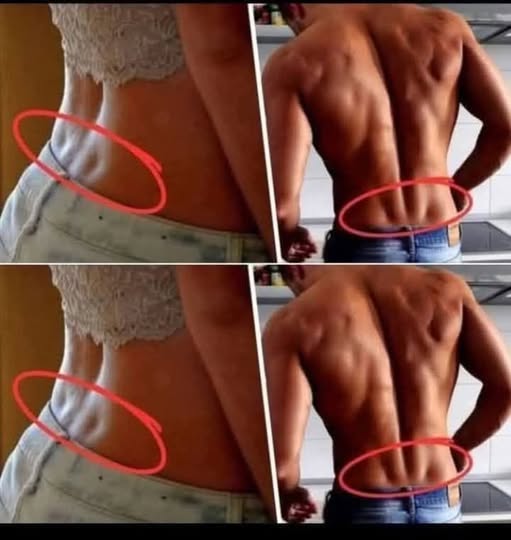
Have you ever noticed two small indentations just above your lower back and wondered what they are? Often called the “two holes in your back,” these mysterious dimples have sparked curiosity, myths, and even beauty trends.
But what are they really? Are they a sign of something deeper, or just a harmless physical trait?
By the end, you’ll know exactly what these dimples mean—and whether they’re anything more than a unique body feature.
What Are the “Two Holes in Your Back”?
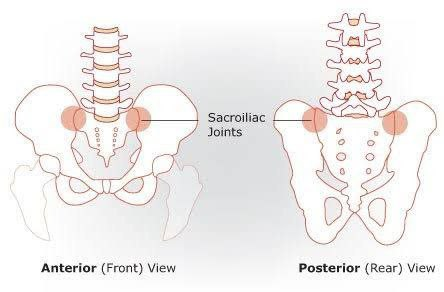
Medically referred to as dimples of Venus, these symmetrical indentations sit on the lower back where the skin attaches directly to a bony landmark called the posterior superior iliac spine of the pelvis.
This attachment pulls the skin inward slightly, forming a natural dimple. The result is a visible dip that doesn’t involve muscle or fat but rather the way skin and bone are connected in that region.
Some people are naturally born with Venus dimples, while others may not have them due to differences in bone structure or body fat distribution. These dimples are typically more noticeable in people with lower body fat percentages.
Unlike muscle tone, Venus dimples can’t be developed through exercise since they are not formed by muscle but by skeletal structure.
They’re often seen as a sign of beauty and symmetry in many cultures, which is why they’ve gained popularity in fitness and fashion circles.
Despite the aesthetic attention, Venus dimples have no known medical function or health significance.
The “two holes in your back” are natural, harmless indentations caused by ligaments and genetics. While some cultures romanticize them, they have no hidden meaning or medical risk for most people.
