
Diabetes doesn’t always announce itself with obvious symptoms. In fact, some people can have elevated blood sugar for months or even years without realizing that anything is wrong.
This is particularly true with type 2 diabetes, which can develop gradually. Some people notice subtle changes such as increased thirst, frequent urination, fatigue, or blurred vision, while others may have almost no symptoms at all.
That’s why understanding potential warning signs—and knowing when to get tested—is important.
At the same time, it’s crucial to remember that none of these symptoms automatically means you have diabetes. Many can be caused by dehydration, stress, medications, infections, poor sleep, or other medical conditions.
The only reliable way to determine whether you have diabetes or prediabetes is through appropriate blood glucose testing.
Here are 15 signs worth knowing.
1. You’re Constantly Thirsty
One of the classic symptoms associated with high blood sugar is increased thirst.
When blood glucose becomes too high, the kidneys work to remove excess glucose through urine. This process can pull additional water from the body, increasing fluid loss.
As a result, you may feel unusually thirsty.
You might notice that you’re:
- Drinking much more than usual
- Carrying water everywhere
- Feeling thirsty shortly after drinking
- Waking up thirsty at night
Occasional thirst is completely normal, especially after exercise or in hot weather.
The concern is persistent, unexplained thirst, particularly when it occurs alongside frequent urination.
2. You Urinate More Often
Another common sign is frequent urination, medically known as polyuria.
When glucose levels remain high, the kidneys attempt to remove excess glucose through urine.
This can increase urine production.
You may notice:
- More bathroom trips during the day
- Larger amounts of urine
- Waking repeatedly during the night to urinate
Of course, frequent urination has many possible causes.
It can also occur because of:
- Excessive fluid intake
- Caffeine
- Alcohol
- Urinary tract infections
- Certain medications
- Prostate problems
- Pregnancy
But when frequent urination occurs together with excessive thirst and fatigue, blood glucose testing may be worthwhile.
3. You’re More Tired Than Usual
Persistent fatigue is common and has many possible causes.
However, uncontrolled diabetes can contribute to fatigue because glucose isn’t being used effectively by cells for energy.
You might feel:
- Drained
- Weak
- Unmotivated
- Sleepy during the day
- Exhausted despite sleeping
If your energy levels have changed without an obvious reason, don’t simply assume you’re overworked.
Fatigue can also result from anemia, thyroid disorders, sleep apnea, infections, depression, nutritional deficiencies, and many other conditions.
4. Your Vision Becomes Blurry
High blood glucose can temporarily affect the shape of the lens in the eye, leading to blurred vision.
You may notice that:
- Reading becomes harder
- Objects appear slightly out of focus
- Your vision changes throughout the day
This can happen when blood glucose fluctuates significantly.
Persistent high blood sugar can also contribute to serious eye complications over time, including diabetic retinopathy.
Don’t ignore persistent vision changes.
Sudden vision loss, flashes, severe eye pain, or other acute visual symptoms require prompt medical attention.
5. Cuts and Wounds Take Longer to Heal
High blood sugar over time can affect circulation, nerves, and immune function.
As a result, some people with poorly controlled diabetes may notice that small cuts or wounds take longer to heal.
This can be especially important when wounds occur on the feet.
A wound that doesn’t seem to be healing properly should be evaluated rather than simply covered up and ignored.
6. You Get Infections More Frequently
Persistently elevated blood glucose can affect immune function and create an environment in which certain infections are more likely to occur.
Some people with diabetes experience recurrent:
- Urinary tract infections
- Skin infections
- Yeast infections
- Oral infections
Having one infection doesn’t mean you have diabetes.
But recurrent or unusually persistent infections can be one reason to discuss blood glucose testing with a healthcare professional.
7. You Feel Extremely Hungry
Another potential symptom is increased hunger, sometimes called polyphagia.
When glucose can’t enter cells effectively because of insufficient insulin or insulin resistance, the body may have difficulty using available glucose for energy.
This can contribute to persistent hunger.
You might find yourself:
- Eating larger portions
- Snacking constantly
- Feeling hungry shortly after meals
However, appetite can also increase because of exercise, stress, sleep deprivation, certain medications, or changes in diet.
8. You Lose Weight Without Trying
Unexpected weight loss can sometimes occur when diabetes is poorly controlled.
If glucose cannot be effectively used as an energy source, the body may begin using stored fat and muscle for energy.
This can result in unintentional weight loss.
Unexplained weight loss should always be taken seriously.
It can have many causes besides diabetes, including:
- Thyroid disease
- Digestive disorders
- Chronic infections
- Cancer
- Depression
- Medication effects
If you’re losing weight without intentionally changing your diet or activity, arrange a medical evaluation.
9. You Notice Tingling or Numbness
Persistently high blood glucose can damage nerves over time, leading to a condition known as diabetic neuropathy.
Early symptoms can include:
- Tingling
- Burning
- Pins-and-needles sensations
- Numbness
- Reduced sensitivity
These symptoms often begin in the feet or hands.
However, nerve symptoms have many other causes, including vitamin deficiencies, alcohol use, nerve compression, and certain medications.
Don’t assume tingling automatically means diabetes.
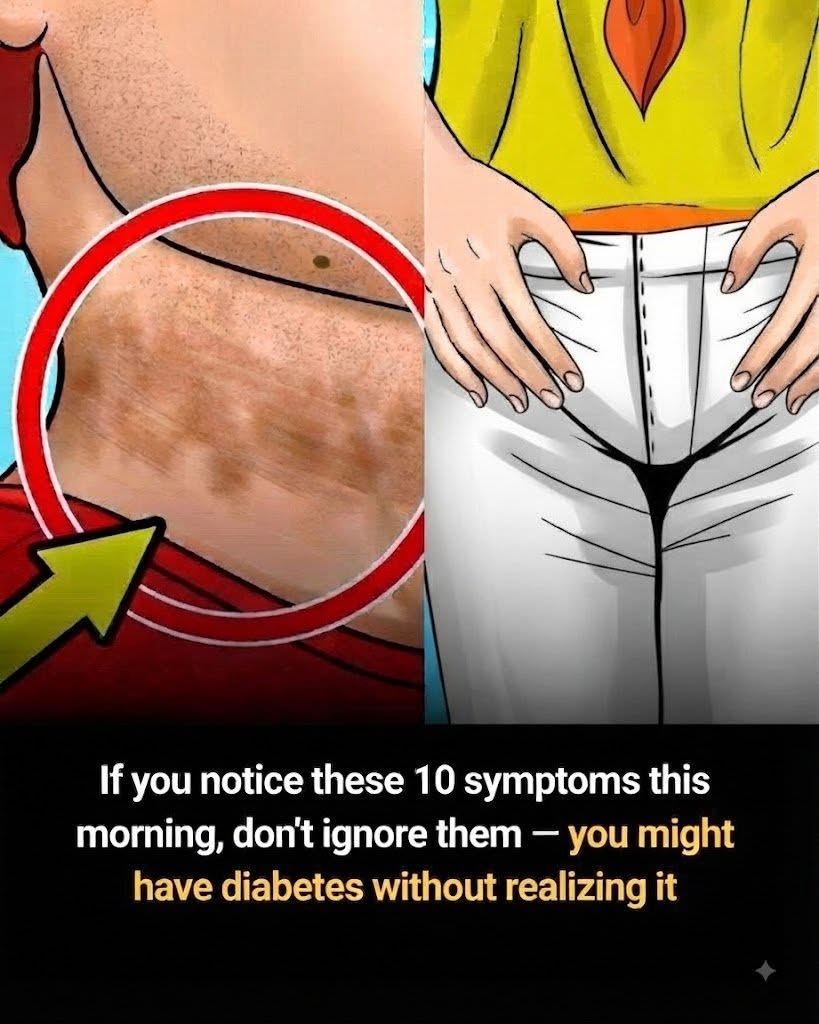
10. Your Skin Becomes Darker in Certain Areas
A condition called acanthosis nigricans can cause darker, thicker, velvety-looking skin, particularly around:
- The neck
- Armpits
- Groin
- Knuckles
It can be associated with insulin resistance, which is a major risk factor for type 2 diabetes.
Acanthosis nigricans doesn’t mean you definitely have diabetes.
But if you notice this type of skin change, particularly alongside other risk factors, it may be worth discussing with a healthcare professional.
11. Your Skin Becomes Itchy or Dry
High blood glucose can contribute to dehydration, which may make the skin feel dry.
People with diabetes may also be more prone to certain skin conditions and infections.
You might notice:
- Persistent dryness
- Itching
- Irritated skin
- Recurrent rashes
But dry or itchy skin is extremely common and can result from weather, allergies, eczema, soaps, medications, and many other factors.
Look at the overall pattern rather than one symptom alone.
12. You Feel Numbness or Burning in Your Feet
The feet deserve special attention in people with diabetes.
Over time, high blood glucose can damage peripheral nerves and blood vessels.
This can lead to:
- Burning sensations
- Tingling
- Numbness
- Sensitivity to touch
- Reduced ability to feel injuries
Reduced sensation can become dangerous because a person may not notice a blister, cut, or wound.
If you have persistent unexplained changes in sensation in your feet, seek medical evaluation.
13. Your Gums Become More Problematic
Diabetes and oral health can influence each other.
High blood glucose can increase susceptibility to gum disease, while serious gum inflammation can make blood glucose management more difficult.
Possible signs include:
- Bleeding gums
- Swollen gums
- Redness
- Bad breath
- Loose teeth
Good oral hygiene and regular dental care are important for everyone, but particularly for people with diabetes.
14. You Experience Frequent Headaches or Difficulty Concentrating
Changes in blood glucose can sometimes affect how you feel mentally and physically.
Some people report:
- Headaches
- Difficulty concentrating
- Mental fatigue
- Irritability
- Feeling “foggy”
These symptoms are nonspecific.
Poor sleep, dehydration, stress, caffeine changes, anxiety, and numerous medical conditions can cause the same symptoms.
If they occur together with excessive thirst, frequent urination, or unexplained weight changes, it may be reasonable to have your blood glucose checked.
15. You Have Few or No Symptoms at All
This might sound strange, but it’s one of the most important points.
Type 2 diabetes can develop without obvious symptoms.
A person may feel completely normal while blood glucose is gradually increasing.
This is one reason screening matters.
You may be at increased risk if you have factors such as:
- Overweight or obesity
- Family history of type 2 diabetes
- High blood pressure
- Abnormal cholesterol or triglycerides
- Previous gestational diabetes
- Polycystic ovary syndrome
- Physical inactivity
- Increasing age
Depending on your risk profile, your healthcare professional may recommend periodic diabetes screening even if you feel perfectly healthy.
How Is Diabetes Actually Diagnosed?
Symptoms can raise suspicion, but blood tests are needed for diagnosis.
Common tests include:
A1C Test
This estimates your average blood glucose over approximately the previous 2–3 months.
Fasting Plasma Glucose
This measures blood glucose after fasting for a specified period.
Oral Glucose Tolerance Test
This measures how your body handles glucose after consuming a standardized glucose solution.
Random Plasma Glucose
A random blood glucose measurement can also be used in certain situations, particularly when significant symptoms are present.
Your healthcare professional will determine which test is appropriate.
Diabetes vs. Prediabetes
It’s also important to understand that blood sugar problems exist on a spectrum.
Prediabetes
Blood glucose is higher than normal but not yet in the diabetes range.
Prediabetes can increase the risk of developing type 2 diabetes and cardiovascular disease.
Diabetes
Blood glucose reaches diagnostic thresholds indicating diabetes.
Early detection can provide an opportunity to make lifestyle changes and, when necessary, begin treatment.
What Can You Do to Lower Your Risk?
If you’re concerned about developing type 2 diabetes, you don’t need to make extreme changes overnight.
Start with sustainable habits.
Move More
Regular physical activity improves insulin sensitivity and supports cardiovascular health.
Walking, swimming, cycling, resistance training, and other activities can all help.
Build Balanced Meals
Emphasize:
- Vegetables
- Whole grains
- Beans and legumes
- Lean proteins
- Fish
- Nuts and seeds
- Healthy fats
Limit excessive intake of highly processed foods and sugar-sweetened beverages.
Maintain a Healthy Weight
For people who are overweight, even modest weight loss can improve metabolic health and reduce the risk of progressing to type 2 diabetes.
Sleep Well
Poor sleep can affect appetite, insulin sensitivity, and metabolic health.
Aim for a consistent sleep schedule and adequate sleep.
Don’t Smoke
Smoking increases cardiovascular risk and is particularly harmful for people with diabetes.
When Should You Get Tested?
Consider talking with a healthcare professional about diabetes screening if you:
- Have multiple diabetes risk factors
- Have persistent excessive thirst
- Urinate much more frequently than usual
- Experience unexplained weight loss
- Have recurrent infections
- Notice persistent blurred vision
- Have a history of gestational diabetes
- Have been told you have prediabetes
Testing is simple, and early detection can make a significant difference.
When High Blood Sugar Becomes an Emergency
Extremely high blood glucose can become dangerous.
Seek urgent medical attention if you experience severe symptoms such as:
- Vomiting
- Severe dehydration
- Confusion
- Extreme weakness
- Difficulty breathing
- Severe abdominal pain
- Reduced consciousness
These can occur with serious complications such as diabetic ketoacidosis or hyperosmolar hyperglycemic state.
These conditions require urgent medical treatment.
The Bottom Line
Could you have diabetes without realizing it?
Yes.
Type 2 diabetes can develop gradually, and some people have few noticeable symptoms.
The 15 possible warning signs discussed here include:
- Excessive thirst
- Frequent urination
- Persistent fatigue
- Blurred vision
- Slow-healing wounds
- Recurrent infections
- Increased hunger
- Unexplained weight loss
- Tingling or numbness
- Darkened, thickened skin in body folds
- Dry or itchy skin
- Burning or numb feet
- Gum problems
- Headaches or difficulty concentrating
- Having few or no symptoms despite having risk factors
But these signs do not diagnose diabetes.
Many have much more common explanations.
If you’re concerned, the most useful next step isn’t to search for more symptoms online.
Get your blood glucose checked.
A simple blood test can provide much more reliable information than trying to interpret individual symptoms.
And if you’re diagnosed with prediabetes or diabetes, don’t panic. Early detection gives you an opportunity to work with a healthcare professional on nutrition, physical activity, weight management, medication when appropriate, and regular monitoring.
The goal isn’t to fear every symptom.
