
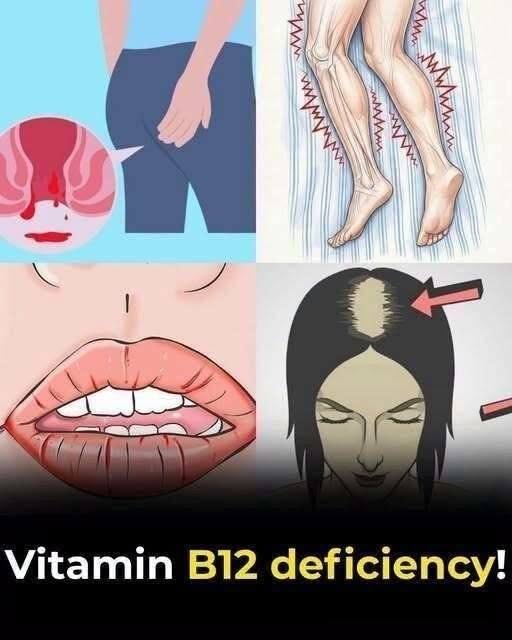
Why Vitamin B12 Is Important for the Body
Vitamin B12 is an essential nutrient that supports several important processes throughout the body. It plays a central role in the production of healthy red blood cells, the normal function of the nervous system, and the maintenance of DNA.
These functions are closely connected to a person’s energy, concentration, physical strength, and overall well-being. When vitamin B12 levels become too low, the effects may appear gradually and can involve several different parts of the body.
The human body cannot produce vitamin B12 independently. For this reason, an adequate amount must be obtained through the diet or through supplements when food sources do not provide enough.
Vitamin B12 is found mainly in animal-based foods. Common dietary sources include meat, fish, eggs, milk, cheese, and other dairy products.
People who regularly eat these foods may receive sufficient amounts through their normal diet. However, intake can vary depending on food choices, eating habits, and whether a person avoids certain food groups.
Who May Be at Greater Risk of Low Levels
Individuals who do not consume animal-based foods may have a higher chance of developing low vitamin B12 levels. This can include some vegetarians and vegans whose diets contain little or no meat, fish, eggs, or dairy products.
A plant-focused diet can still be carefully managed, but vitamin B12 requires particular attention because its natural food sources are primarily animal-based. Fortified alternatives or supplements may therefore be needed to maintain adequate levels.
People following restrictive diets should be aware that a deficiency may not cause obvious symptoms immediately. The first changes can be mild and may resemble the effects of a busy schedule, emotional pressure, or insufficient rest.
Because the warning signs can develop slowly, a person may adjust to feeling unwell without recognizing that a nutritional problem could be involved. Paying attention to persistent symptoms can help prevent a deficiency from progressing unnoticed.
Persistent Tiredness Can Be an Early Sign
Ongoing tiredness is one of the earliest and most common signs associated with vitamin B12 deficiency. A person may feel exhausted even after sleeping or may notice that ordinary daily activities require more effort than before.
This fatigue may develop when the body is unable to produce enough healthy red blood cells. Red blood cells are responsible for transporting oxygen throughout the body, including to the muscles, organs, and brain.
When oxygen is not carried as efficiently, energy levels may fall. Tasks that were previously manageable may begin to feel unusually demanding, and the person may need more frequent breaks.
The tiredness connected with low vitamin B12 can easily be blamed on work, family responsibilities, stress, or poor sleep. While those factors can also cause fatigue, persistent exhaustion that does not improve deserves attention.
Some people may also notice a general loss of stamina. Walking, climbing stairs, exercising, or completing household tasks may become more difficult than expected.
Weakness, Dizziness, and Shortness of Breath
As vitamin B12 levels decline, tiredness may be accompanied by physical weakness. The arms and legs may feel heavy, and a person may struggle to complete activities that once felt routine.
Shortness of breath can also occur. This may be particularly noticeable during movement or physical effort, although the intensity can vary from one person to another.
Dizziness is another possible symptom. A person may feel lightheaded when standing, moving quickly, or carrying out everyday activities.
These signs may occur because healthy red blood cells are needed to transport oxygen efficiently. When the body does not have enough of them, several systems may be affected at the same time.
Weakness, dizziness, and breathlessness are not unique to vitamin B12 deficiency. However, when they appear together with persistent fatigue, they may indicate that a blood test is needed to identify the cause.
Difficulty Concentrating and Slower Thinking
Low vitamin B12 levels can also affect concentration. A person may find it harder to remain focused on work, conversations, reading, or routine responsibilities.
Tasks that require planning or sustained attention may take longer than usual. Some individuals may feel mentally tired even when they have not performed significant physical activity.
Difficulty concentrating is often mistaken for stress, lack of motivation, or inadequate sleep. Because these explanations are common, the possibility of a nutrient deficiency may be overlooked.
Forgetfulness may also become more noticeable. A person might misplace items, lose track of conversations, or have difficulty recalling information that would normally be easy to remember.
In some cases, mental processing may feel slower. The individual may understand information but need additional time to organize thoughts or respond.
Changes in Skin, Mouth, and Tongue
More visible symptoms can develop when vitamin B12 levels remain low. One possible change is unusually pale skin, which may become noticeable in the face or other areas of the body.
Some people may develop a yellowish appearance to the skin. This type of change can be subtle at first and may be noticed by family members before the affected person recognizes it.
A sore tongue is another possible warning sign. The tongue may feel tender, irritated, or uncomfortable, making eating and drinking less pleasant.Visual Art & Design
Mouth discomfort may also occur. A person may experience sensitivity or irritation that persists without an obvious explanation.
These symptoms can interfere with normal routines, especially when discomfort affects appetite or food choices. They may also appear alongside fatigue, weakness, or neurological changes.
