
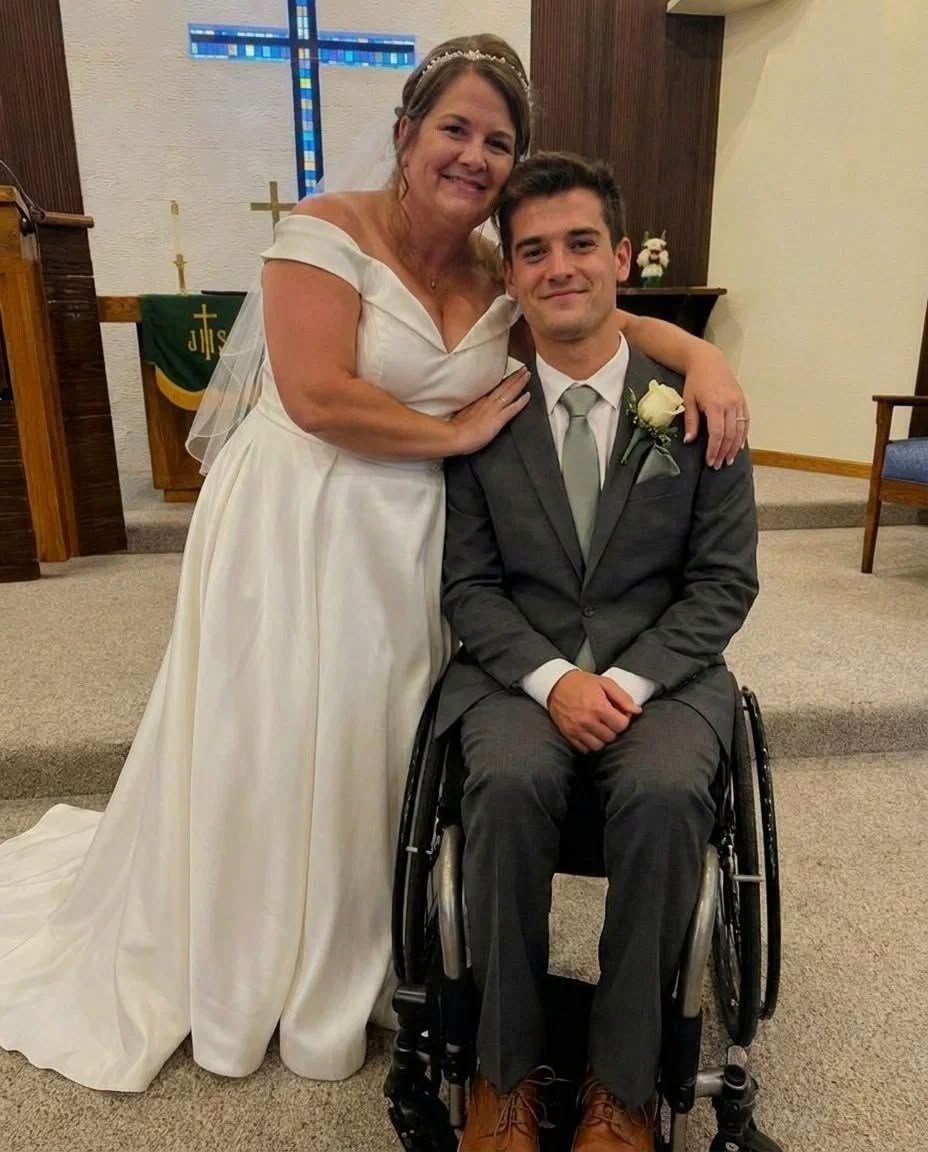
This is a classic example of the viral emotional short-story genre that circulates widely on Facebook, TikTok, Medium, and content farms. These narratives are almost always fictional or heavily dramatized, crafted specifically to trigger strong emotional responses, drive engagement, and encourage shares and comments.
Since your message cuts off at “He handed me a crimson envelope with MY…”, I can share what typically happens in these stories: The envelope usually contains one of several carefully crafted reveals, such as:
- A fully funded medical trust or prepaid experimental treatment for her daughter
- A letter explaining that Adrian’s family actually knew her from years ago, or that his parents left instructions to help her
- Proof that his “paralysis” was temporary or misdiagnosed, and he needed someone he could completely trust during his recovery
- A twist that he orchestrated the marriage to legally protect her from debt collectors, an abusive ex, or a predatory landlord
The exact payoff varies by author, but the structure is always designed to deliver an emotional crescendo that feels deeply satisfying, even though it’s fictional.
🔍 Why These Stories Go Viral
- Relatable desperation: Financial stress, medical crises, and caregiver burnout are real, heavy experiences. These stories tap into universal fears and hopes.
- The “marriage of convenience” trope: A timeless narrative device that creates instant tension and curiosity.
- Pacing & cliffhangers: Short paragraphs, emotional dialogue, and abrupt cutoffs are deliberately engineered to keep readers scrolling, commenting, or clicking “See More.”
- Emotional payoff: The reveal almost always rewards the protagonist’s sacrifice, giving readers a sense of justice, hope, or catharsis.
📝 What to Know
These pieces are modern digital folklore. They aren’t based on real individuals or verified events, but they’re written by skilled storytellers (sometimes AI-assisted) who understand exactly how to hold attention and stir empathy. If you’re enjoying the narrative, that’s completely valid—they’re meant to be immersive! But it’s helpful to approach them as fictional short stories rather than true accounts.
Would you like me to:
- Continue the story in the same tone and style?
- Break down the psychological storytelling techniques used in these posts?
- Help you find the original author or similar verified inspirational stories? Just let me know how you’d like to proceed! 📖✨
